Pressure Is Building Again — But Buyers Are Looking in the Wrong Place
March 2026
Asia Agent
Buyers are watching the wrong signals.
They’re looking at:
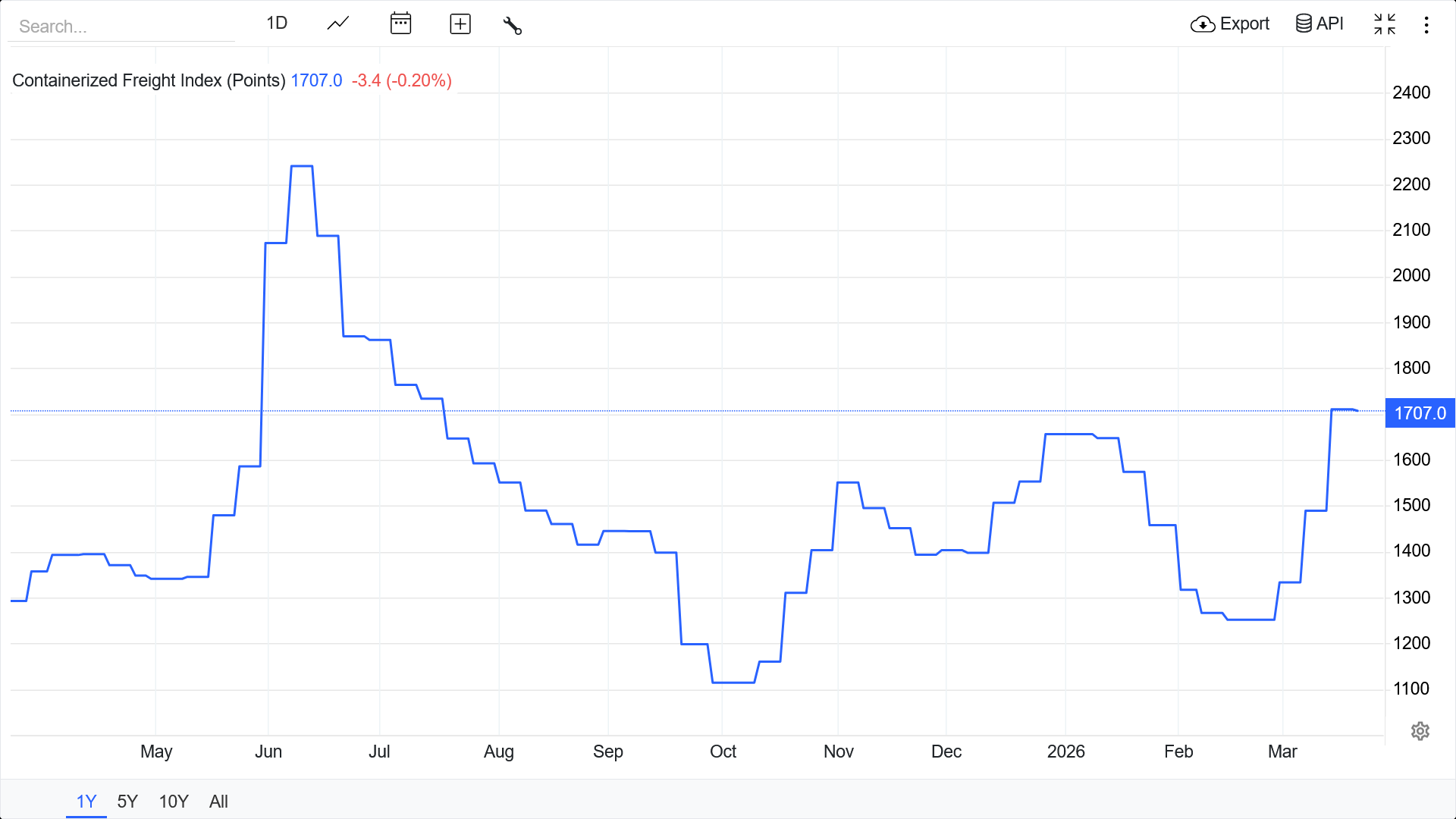
- freight rates
- factory utilization
- headline tariffs
And concluding:
“Things are stable.”
But pressure doesn’t always show up where you expect.
Right now, it’s building underneath.
What buyers think is happening
- factories are quieter
- orders are smaller
- demand is softer
- lead times look manageable
This feels like control.
It’s not.
It’s a transition phase.
Where pressure actually moved
The last cycle of pressure was visible:
- port congestion
- container shortages
- tariff spikes
This cycle is different.
Pressure moved into:
- upstream materials
- energy costs
- supplier cash flow
- compliance enforcement
- production discipline
These don’t show up on dashboards.
They show up in behavior.
What you’re already seeing (but not naming)
You mentioned it:
- factories are not full
- demand is uneven
- volumes are smaller
That creates a new type of risk.
Not overload.
Instability.
Why quiet factories are not a good sign
When factories are full, they are controlled.
When factories are empty, they become flexible.
Too flexible.
That leads to:
- faster “yes”
- weaker planning
- hidden subcontracting
- margin recovery later
- documentation shortcuts
Hungry factories don’t say no.
That’s the problem.
The shift buyers miss
Buyers think:
“Less demand = less risk.”
Reality:
“Less demand = different risk.”
Instead of delays from overload, you get:
- inconsistency
- shortcuts
- instability
- unpredictable execution
Harder to detect.
Harder to control.
Enforcement is rising at the same time
While factories are getting looser, enforcement is getting tighter.
That’s the dangerous combination.
- origin checks increasing
- document consistency matters more
- data is being cross-checked
So you get:
Loose execution
- strict verification
That gap is where buyers get hit.
The real risk chain
This is how problems actually build:
- Factory accepts order too easily
- Materials are not secured properly
- Production is adjusted mid-way
- Subcontracting is introduced
- Documents are “aligned” later
- Shipment moves
- Problem appears at customs or after
Nothing looks wrong at the start.
Everything becomes expensive at the end.
What buyers are doing wrong right now
- chasing lower prices
- splitting orders too much
- switching suppliers too quickly
- trusting flexibility
- reacting instead of verifying
This increases exposure in this exact environment.
What smart buyers are doing
They are not reacting to the calm.
They are preparing for instability.
- verifying supplier capacity
- confirming material availability
- locking documentation early
- controlling subcontracting
- inspecting earlier in production
- maintaining presence
They understand:
Stability is not the current state.
Control is.
Asia Agent perspective
We’ve seen this pattern many times.
The most dangerous phase is not disruption.
It’s the phase before disruption becomes visible.
That’s where we are now.
Nothing is broken.
But everything is under pressure.
Final thought
Supply chains didn’t stabilize.
They shifted.
Buyers who understand where pressure moved will stay ahead.
Buyers who don’t will feel it later — when options are limited.
FAQ
1) Are supply chains stable right now?
They look stable, but pressure is building underneath.
2) Why are factories quieter?
Lower demand and smaller orders across many sectors.
3) Is this good for buyers?
It creates leverage, but also increases hidden risk.
4) What is the biggest hidden risk today?
Factories accepting orders they cannot execute cleanly.
5) Is subcontracting increasing?
Yes, especially in lower demand environments.
6) Why is enforcement increasing now?
Because trade volume remains high and data visibility improved.
7) What happens if buyers ignore this phase?
Problems appear later — during shipment or after.
8) Should buyers change suppliers now?
Not necessarily. They should increase verification.
9) When does risk usually surface?
Late — after production or during customs.
10) What is the safest strategy now?
Visibility, control, and early verification.