
China Didn't Lose the Trade War. It Just Changed Address.
The Factory Moved. The Owner Didn't.
A buyer tells me, proudly, that they've de-risked. They moved production out of China to Vietnam. New supplier, new country, lower tariff, problem solved.
Then I look at the factory.
It's a wholly-owned subsidiary of a Chinese company. The owner is the same Chinese owner. The management is Chinese. The components come from the parent operation back in China. The "move to Vietnam" was a Chinese company opening a Vietnamese address — and the buyer who thought they'd diversified away from China is, in every way that matters, still sourcing from China.
This is one of the most important and least understood stories in supply chains right now. China didn't lose the trade war. A lot of Chinese manufacturing simply changed its address — and brought the buyers with it without telling them what really happened.
What the Data Actually Shows
This isn't anecdotal. The pattern is in the trade flows.
China's export volumes have established a higher baseline across Vietnam, Indonesia, Malaysia, and Thailand, and those levels have held into 2026. Analysts who track this describe it not as temporary rerouting tied to tariff headlines, but as durable sourcing relationships forming across Southeast Asia. China trade into these countries grew sharply through 2025 — by roughly 29% in Indonesia, 23% in Vietnam, and 19% in India. At the same time, US container volume rose from those same countries.
Read those two facts together. More goods flowing from China into Vietnam and Indonesia. More goods flowing from Vietnam and Indonesia into the US. The middle of that chain is where Chinese production put on a new label.
Some of this is legitimate manufacturing relocation. Some of it is transshipment dressed up as relocation. Most of it sits in the large grey area between — real factories, in real Southeast Asian countries, owned and supplied by Chinese companies that moved final steps across a border. Knowing which one you're dealing with is the entire game.
How the Relocation Actually Happened
The mechanism is straightforward, and it's been running since the first Trump term.
A Chinese manufacturer gets hit with tariffs on US-bound goods. Rather than lose the US market, the manufacturer opens a subsidiary across the border — in Vietnam, in Indonesia, in Thailand. The subsidiary does final assembly, or finishing, or packaging. The components, the materials, the subassemblies still come from the parent operation in China. The finished goods now ship from the new country, with that country's origin label, at that country's tariff rate.
There's a real, documented example of exactly this pattern: a Changzhou-based Chinese manufacturer of structural furniture mechanisms that, facing the 2018-2019 China tariffs, set up a wholly-owned subsidiary in Binh Duong Province, Vietnam, in 2019 — specifically to avoid those tariffs. The Vietnamese entity exists. It operates. But it's a Chinese company's tariff-avoidance vehicle, not an independent Vietnamese manufacturer.
Multiply that by thousands of companies across a decade, and you get the trade-flow data above. You also get a buyer's shortlist of "Vietnamese factories" that is quietly full of Chinese-owned operations.
Why This Matters to You
Maybe you're thinking: so what? The factory makes my product, the price works, the goods arrive. Why does the owner's nationality matter?
Three reasons, and they're getting more important by the month.
Your tariff exposure may not be what you think. A Chinese-owned Vietnamese factory that assembles largely Chinese components may not survive a substantial-transformation test. If the value added in Vietnam is thin — and in some documented cases it's been under 8% of export value — then for customs purposes your goods may still be Chinese origin, regardless of the Vietnam label. As Section 301 enforcement intensifies and origin scrutiny rises, that exposure becomes real money and real detentions.
You didn't actually diversify your risk. The whole point of moving out of China was to reduce your dependence on China. If your Vietnam supplier's components, materials, and management all trace back to a Chinese parent, you've changed your shipping label without changing your underlying exposure. A disruption to the Chinese parent — a tariff action, an export control, a supply problem — hits your "Vietnamese" production just the same. The diversification you paid for is partly cosmetic.
The compliance environment is closing on exactly this structure. Origin documentation cross-checks, transshipment enforcement, and the broader push to follow Chinese inputs through third countries are all aimed precisely at the Chinese-owned-subsidiary model. The structure that looked clever in 2019 is becoming a liability in 2026.
This Isn't a Reason to Avoid Chinese-Owned Factories
Here's the nuance, because it matters. A Chinese-owned factory in Vietnam is not automatically a problem. Some of the best-run, most capable factories in Southeast Asia are Chinese-owned — Chinese manufacturers brought decades of production expertise across the border, and the result can be a genuinely strong operation.
The problem isn't Chinese ownership. The problem is not knowing. A buyer who knowingly works with a capable Chinese-owned Vietnamese factory, with documented local value-add and a defensible origin position, is making an informed decision. A buyer who thinks they've left China and hasn't is exposed precisely because they don't understand what they're actually buying.
The goal isn't to avoid these factories. It's to know exactly what your factory is — ownership, supply chain, and the real value added in the country it ships from — so you can make the call with open eyes.
How to Know What You're Actually Dealing With
Concrete steps to see through the label.
1. Establish actual ownership. Find out who owns the factory you're sourcing from. A Vietnamese business registration tells you the entity exists in Vietnam — it doesn't tell you the parent company is Vietnamese. Trace the ownership structure. A wholly-owned subsidiary of a Chinese company is a different risk profile than an independent local manufacturer.
2. Map where the components come from. This is the decisive question. A factory in Vietnam doing genuine manufacturing from regional or local inputs is one thing. A factory importing 80% of its components from a Chinese parent and screwing them together is another. The component origins determine your substantial-transformation position and your real China exposure.
3. Measure the actual local value-add. What does the factory genuinely do in-country? Real fabrication and transformation, or thin final assembly? The percentage of value added locally is what separates a defensible origin claim from a transshipment risk. Documented, specific, product-by-product.
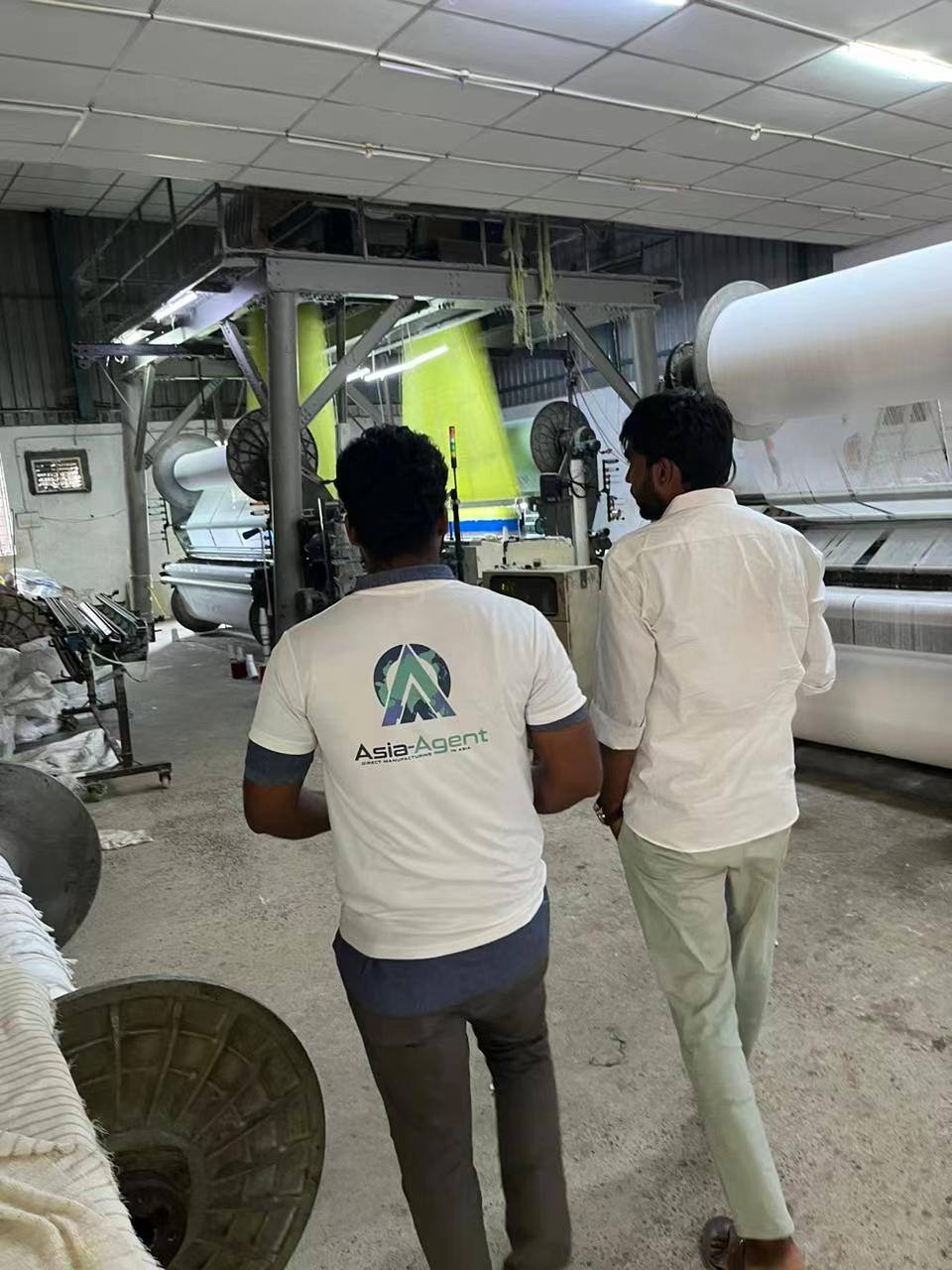
4. Verify on the ground, not from the listing. None of the above is visible from a B2B platform listing or a quote. Ownership structure, component flows, and real value-add are things you confirm by being in the factory and following the supply chain — not by reading what the supplier chose to tell you.
A Note Going Forward
The relocation of Chinese manufacturing into Southeast Asia is one of the defining supply chain shifts of the decade, and it's still unfolding. As origin enforcement and the post-July tariff structure both tighten, the gap between real diversification and cosmetic relocation is going to matter more, not less. We're watching how the enforcement environment develops, because it bears directly on which of these structures remain viable.
For now, the lesson is simple: a Vietnam label is not the same as a Vietnamese supply chain. Knowing the difference is the difference between diversification you can defend and exposure you didn't know you had.
What Asia Agent Does
Asia Agent provides on-the-ground factory verification and supply chain documentation across China, Vietnam, India, and Indonesia. We establish what your factory actually is — ownership, component sourcing, and real local value-add — so you know whether your diversification is genuine or just a change of address.
We connect you directly to real factories, no middlemen, and we follow the supply chain to its actual source. When you need to know whether your Vietnam operation is truly Vietnamese or a Chinese subsidiary in disguise, we tell you the truth on the ground.
Our rule doesn't change by country: No inspection, no load. No customs readiness, no ETD.
Frequently Asked Questions
Is it common for "Vietnamese" factories to be Chinese-owned? Yes, increasingly so. Since the 2018-2019 China tariffs, many Chinese manufacturers have established wholly-owned subsidiaries in Vietnam, Indonesia, and Thailand to continue serving the US market at lower tariff rates. Trade-flow data shows China's exports into these countries rising sharply while their exports to the US also rise — a pattern consistent with Chinese production relocating final steps across borders. A Vietnamese business registration confirms the entity operates in Vietnam but does not establish that the parent company or supply chain is Vietnamese.
Why does it matter whether my factory is Chinese-owned? Three main reasons. First, tariff exposure: a Chinese-owned factory assembling largely Chinese components may not meet the substantial-transformation test, meaning your goods could still be considered Chinese origin for customs purposes despite the local label. Second, risk diversification: if your supplier's components and management trace back to a Chinese parent, you haven't actually reduced your dependence on China. Third, compliance: origin enforcement and transshipment scrutiny are increasingly targeting exactly this subsidiary structure.
Does Chinese ownership of a factory automatically create a problem? No. Many capable, well-run factories in Southeast Asia are Chinese-owned, bringing decades of manufacturing expertise across the border. The problem is not ownership itself — it's not knowing. A buyer who knowingly works with a capable Chinese-owned factory with documented local value-add and a defensible origin position is making an informed choice. The risk lies with buyers who believe they have left China when their supply chain has not.
What is substantial transformation and why does it matter here? Substantial transformation is the customs test for determining country of origin: production in a country must change imported inputs into a new and different article of commerce, with a new name, character, and use. If a Chinese-owned factory in Vietnam performs only thin final assembly on largely Chinese components — in some documented cases adding under 8% of export value — the goods may not qualify for Vietnamese origin and could be treated as Chinese for tariff purposes, regardless of the label.
How can I find out who actually owns my factory? Trace the ownership structure behind the local business registration. A registration document confirms a legal entity exists in the country but does not reveal the parent company. Establishing whether the factory is an independent local manufacturer or a wholly-owned subsidiary of a Chinese company requires investigating the corporate structure — work that is most reliably done through on-the-ground verification rather than from platform listings or supplier-provided documents.
How do I tell genuine diversification from cosmetic relocation? Three things distinguish them: actual ownership, the origin of the components and materials, and the real local value-add. Genuine diversification involves a supply chain meaningfully rooted in the new country — local or regional inputs, real fabrication, defensible origin. Cosmetic relocation involves a Chinese-owned operation importing Chinese components for thin assembly under a new label. The difference is verifiable product by product, on the ground.
How does Asia Agent verify whether a factory is genuinely local? We establish actual ownership behind the business registration, map where the components and materials come from, and measure the real value added in the country of production. We confirm these by being in the factory and following the supply chain to its source, rather than relying on listings or supplier claims. This tells you whether your diversification is genuine and defensible or whether you are, in practice, still sourcing from China under a different label.