
Asia Is Absorbing China’s Pressure — Quietly
Why supply chain risk didn’t disappear. It just moved sideways.
China is under pressure.
Trade tension.
Tariffs.
Compliance enforcement.
Slower confidence from buyers.
Most people assume that pressure stops at China’s borders.
It doesn’t.
It moves sideways.
And right now, Asia — especially Vietnam and ASEAN — is absorbing it quietly.
Pressure doesn’t vanish. It relocates.
When China tightens, factories don’t shut down overnight.
They adapt.
They move ownership.
They move tooling.
They move managers.
They move BOMs.
They move paperwork.
What they don’t move easily is behavior.
That’s how pressure leaves China and reappears inside ASEAN supply chains.
Not loudly.
Not dramatically.
Quietly.
What buyers see — and what they miss
Buyers see:
- Vietnam origin
- ASEAN invoices
- Non-China labels
- Lower tariffs
- Fewer headlines
What they don’t always see:
- Chinese capital behind the factory
- Chinese management running production
- Chinese raw materials feeding the line
- Chinese subcontractors doing overflow work
- China-origin components hidden inside ASEAN assembly
On paper, the supply chain moved.
In reality, much of it didn’t.
Why this is happening now
China’s pressure didn’t reduce capacity.
It redirected it.
Factories that used to export directly from China are now:
- setting up sister factories in Vietnam
- taking minority or majority stakes in ASEAN suppliers
- relocating final assembly
- keeping upstream control inside China
This is not illegal by default.
But it creates risk if buyers assume geography equals compliance.
And many do.
Asia looks calm because the pressure is uneven
Vietnam and ASEAN feel “stable” right now because:
- demand hasn’t collapsed
- factories are still taking orders
- governments are welcoming investment
- buyers are eager to diversify
But calm does not mean clean.
It means pressure is being absorbed — not resolved.
And absorbed pressure shows up later as:
- undocumented subcontracting
- last-minute supplier changes
- vague origin explanations
- BOM drift
- inconsistent paperwork
- quiet quality erosion
Not chaos.
Drift.
Why this is dangerous for buyers
Pressure changes behavior before it shows up in results.
Factories under sideways pressure tend to:
- say yes too quickly
- agree to specs they can’t fully control
- hide upstream dependencies
- delay bad news
- solve problems quietly instead of transparently
Not because they want to cheat.
Because they don’t want to lose the order.
Hungry or pressured factories don’t push back.
They comply — until they can’t.
The origin problem nobody wants to talk about
Most ASEAN sourcing risk today is not about Vietnam or Indonesia.
It’s about what’s still Chinese inside them.
CBP.
EU customs.
Audit teams.
They don’t care about your factory’s address.
They care about:
- ownership
- material origin
- transformation depth
- control over production
- documentation consistency
If pressure pushed Chinese content sideways into ASEAN, origin scrutiny will follow.
Quietly.
Then suddenly.
This is where buyers get exposed
Buyers assume:
“We moved out of China. Risk reduced.”
In many cases, risk just changed shape.
It moved from tariffs to:
- origin disputes
- compliance challenges
- audit exposure
- supplier inconsistency
And buyers without structure are the ones who absorb it.
What Asia Agent sees on the ground
We see three patterns repeating:
- Factories that look independent but aren’t
Ownership and control don’t match the paperwork. - ASEAN factories carrying Chinese pressure
Same margins. Same urgency. New location. - Buyers relaxing oversight too early
Assuming diversification equals safety.
It doesn’t.
How smart buyers respond
Smart buyers don’t panic.
They don’t retreat.
They don’t overreact.
They do three things:
- They verify — not assume
Ownership.
Capital.
Upstream suppliers.
Subcontractors.
- They stay present
On-site checks.
Process visibility.
Inspection before shipment.
No inspection.
No load.
- They treat ASEAN as different — not easier
Different risks.
Different controls.
Different failure points.
Final perspective
Asia is absorbing China’s pressure quietly.
That doesn’t mean it’s safer.
It means the stress hasn’t surfaced yet.
Buyers who assume calm equals control will be surprised.
Buyers who build structure will not.
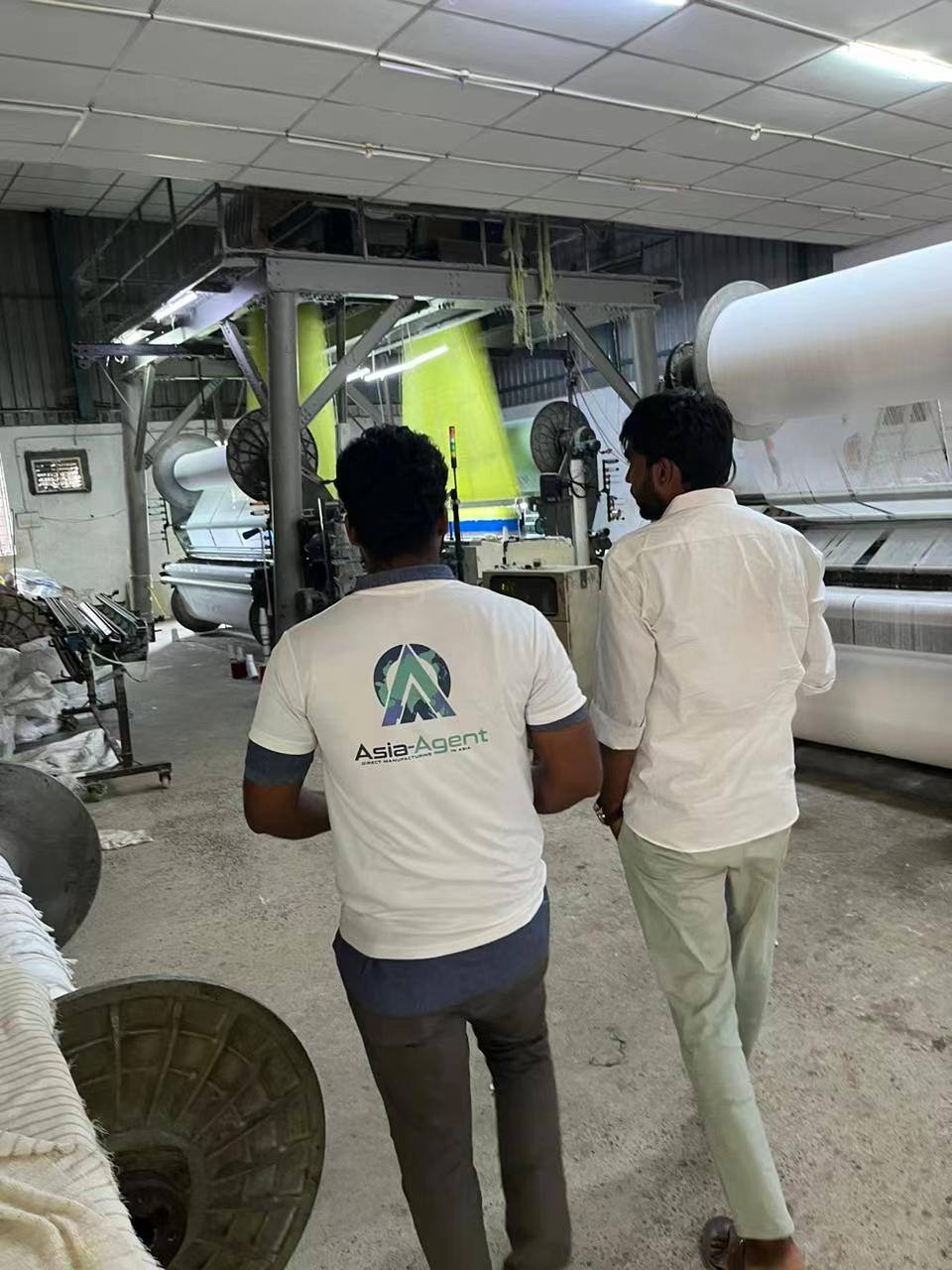
Asia Agent operates exactly where this pressure relocates —
inside factories, not headlines.
That’s where supply chain risk actually lives.