

China Tightened Customs. Asia Is Absorbing the Pressure. Buyers Need Proof.
China didn’t announce a crackdown.
It changed how pressure works.
Clearance still looks smooth.
Containers still move.
But enforcement no longer shows up at the port.
It shows up later — in invoices, payments, audits, supplier behavior, and sudden friction buyers weren’t expecting.
This isn’t a China problem anymore.
It’s an Asia sourcing problem.
The Quiet Shift Buyers Are Missing
China moved enforcement away from checkpoints and into data.
That means:
- goods release faster
- mistakes surface later
- explanations matter less than records
For buyers, this feels confusing.
Nothing looks wrong.
Until something is.
That’s the new model.
What Buyers Are Actually Seeing on the Ground
Across China, Vietnam, Indonesia, and broader ASEAN, the same signals keep repeating:
- suppliers suddenly refusing invoice adjustments
- factories pushing back on private payments
- trading companies asking buyers to “keep things clean”
- smaller POs getting less attention
- subcontracting during slow periods
- documentation becoming sensitive, not casual
No panic.
Just pressure leaking out sideways.
Pressure always travels downward.
Why Asia Is Feeling China’s Pressure
When China tightens, factories don’t stop exporting.
They adapt.
They:
- move steps of production
- route volume through ASEAN
- restructure invoices
- shift risk downstream
Same ownership.
Same materials.
Same habits.
Different address.
Buyers who think geography solved the problem are misreading the situation.
The Dangerous Buyer Assumption
Many buyers believe:
“We moved production. Risk is lower now.”
That’s wrong.
Risk didn’t leave.
It changed shape.
Today, risk hides in:
- origin claims
- undeclared subcontracting
- invoice logic
- payment routing
- upstream suppliers
When enforcement catches up, it doesn’t ask who you trusted.
It asks what you can prove.
Why Smaller Orders Are Not Safer
Another quiet shift in 2025–2026:
Smaller orders became the norm.
Buyers see this as caution.
Factories see it as instability.
The result:
- lower priority
- weaker supervision
- more shortcuts
- less accountability
Small POs don’t reduce risk.
They often increase it.
Trading Companies Are No Longer a Shield
For years, trading companies acted as buffers.
That role is shrinking fast.
Today:
- their invoices are tracked
- their payments are reviewed
- their declarations are cross-checked
If reality doesn’t match paper, the buffer disappears.
Buyers relying on trading companies for protection often discover that protection only existed on paper.
Why Price Is the Wrong Signal Now
Buyers still chase price.
But in today’s environment, ultra-low pricing often signals:
- compliance shortcuts
- unstable suppliers
- documentation gaps
- future delays
Cheap doesn’t mean illegal.
It means fragile.
And fragile supply chains break first under pressure.
The Control Shift Smart Buyers Are Making
The buyers doing well right now aren’t the cheapest.
They are the most controlled.
They:
- reduce supplier count
- verify production reality
- lock documentation early
- align invoices and payments
- inspect before shipment
- enforce contracts
They don’t argue later.
They prevent early.
What Asia Agent Does Differently
Asia Agent exists for this phase of sourcing.
We don’t sell diversification stories.
We manage behavior.
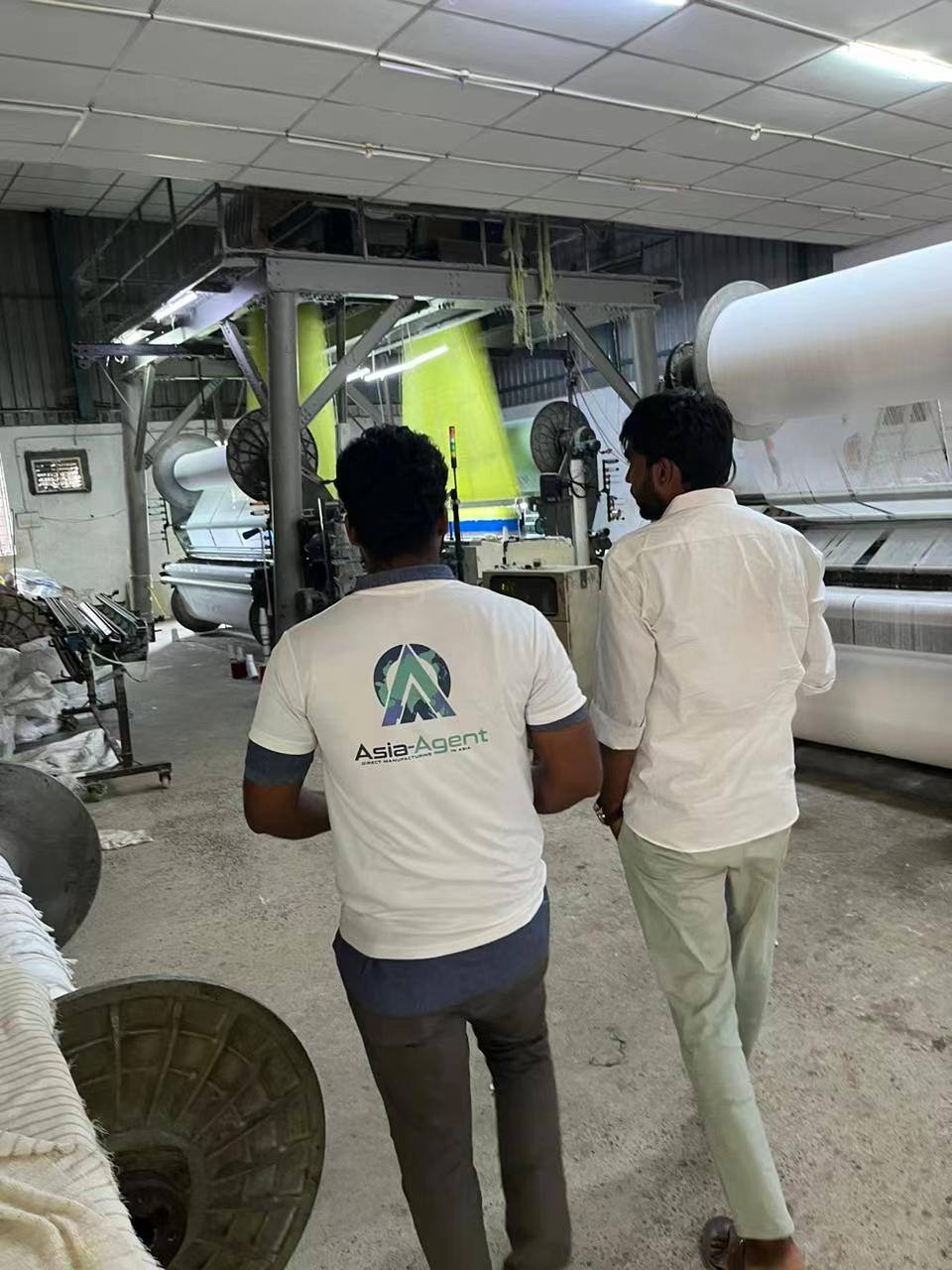
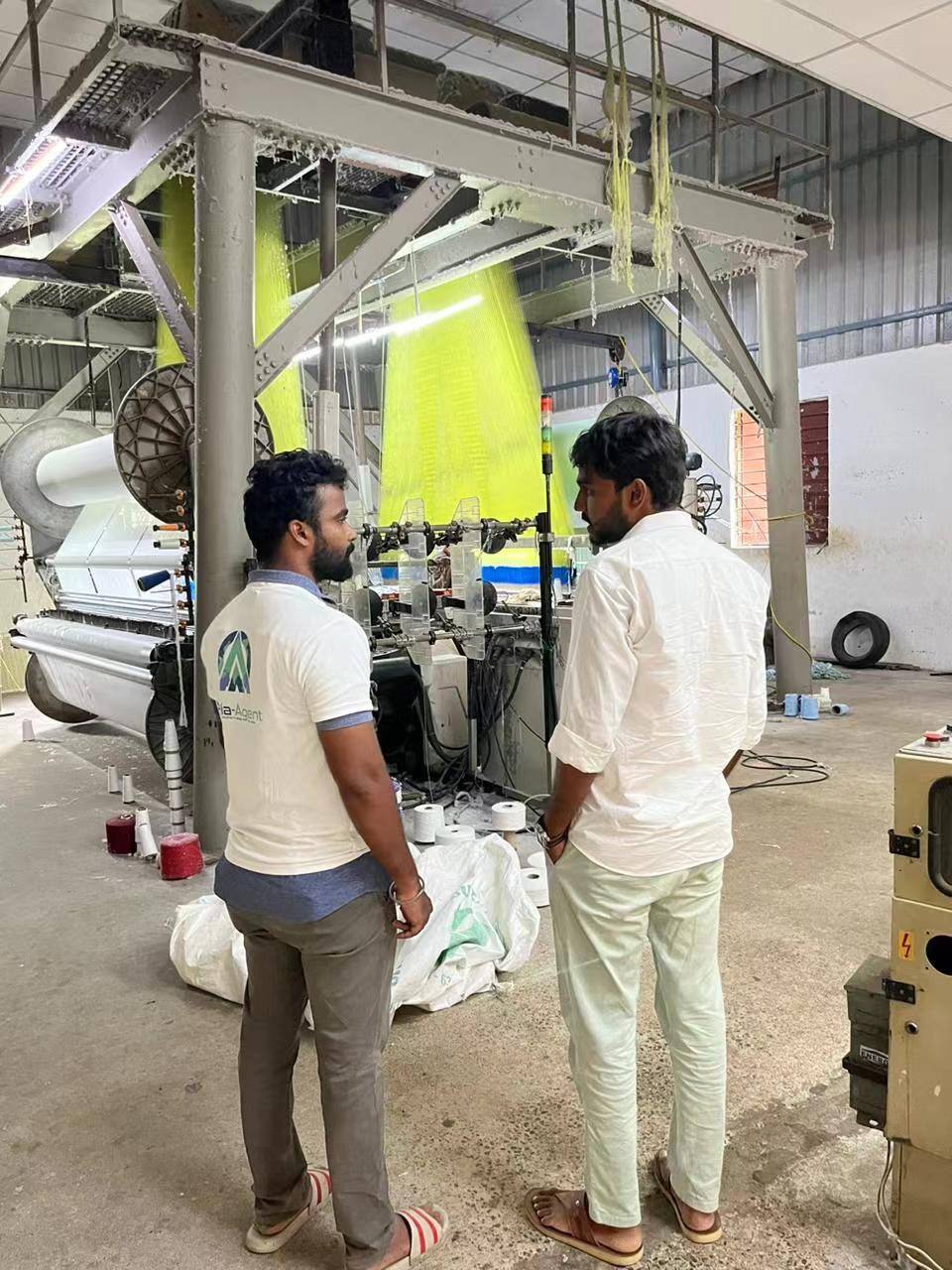
On the ground, we:
- verify who actually produces your goods
- map upstream suppliers and materials
- confirm invoices match reality
- align payments with declarations
- inspect production before shipment
- stop “small exceptions” before they scale
No inspection, no load.
No proof, no shipment.
That’s how risk stays boring.
The Quiet Advantage Buyers Miss
When factories are under pressure, they want stability.
That gives buyers leverage — if they use it correctly.
Buyers who:
- show up
- document early
- enforce terms
- stay present
Get priority.
Buyers who rely on flexibility get surprises.
Final Perspective
2026 won’t punish buyers on price.
It will punish them on proof.
Asia sourcing still works.
But only for buyers who control it.
Diversifying is not a strategy.
Verification is.