CBP & EU guides · Asia Agent Pte Ltd

Forced-labor rules, in plain words

What the UFLPA and the EU Forced Labour Regulation ask of importers, and how to be ready.

Both laws ask the same simple question: can you show who made your goods, from what, back to the raw material?

It's a fair question, and the answer is a file. Built early and calmly, it's very doable.

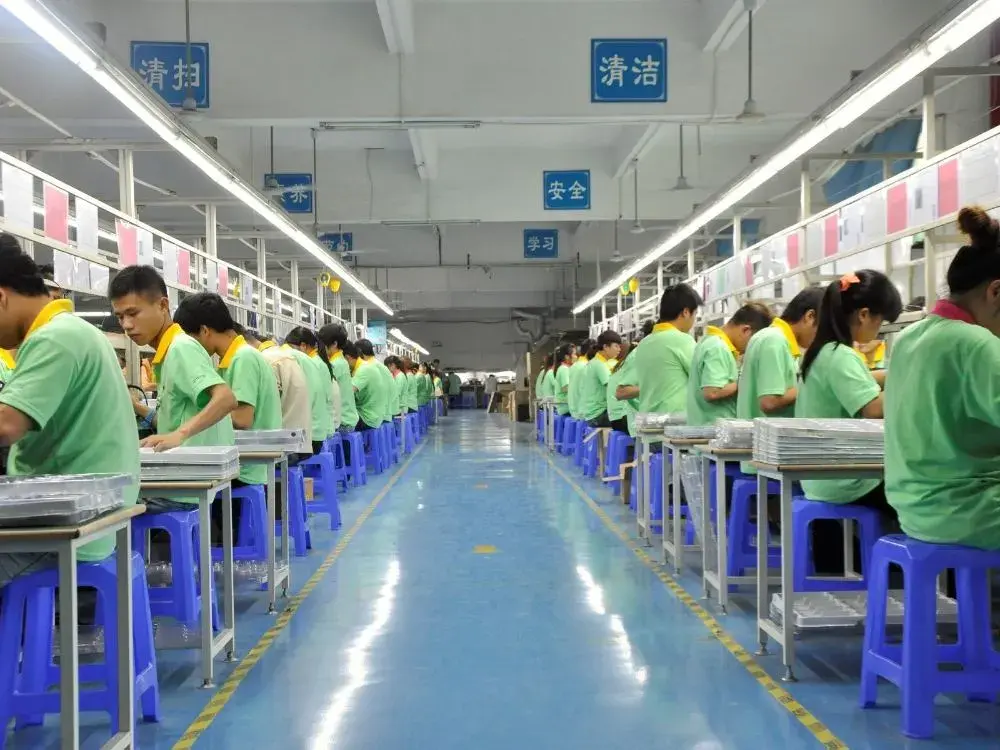
Two long rows of workers in green shirts at assembly benches in a factory

What the rules ask

United States: the UFLPA

The Uyghur Forced Labor Prevention Act presumes that goods made wholly or in part in the Xinjiang region of China, or by listed entities, are made with forced labor, and keeps them out of the country.

An importer can answer that presumption. It takes clear and convincing evidence that the goods weren't made with forced labor, and a supply chain that has been traced. CBP's guidance expects tracing back to the raw material.

European Union: the Forced Labour Regulation

The EU Forced Labour Regulation bans products made with forced labour from the EU market. It applies from 14 December 2027. Authorities will take a risk-based approach to deciding where to look, and companies will need to be able to show their supply chain.

Why the rules exist

People who buy what you sell want to know it was made fairly. Honest factories want to compete on equal terms with factories held to the same rules. A file that answers the question is good for all of them, and for you.

Most suppliers are good. They just haven't been asked for this before.

The file that answers them

For each product, a good file holds:

  • A map of the chain, down to raw material. Not just the factory on the invoice.
  • Purchase records for the parts and materials that went in.
  • Production records at each stage.
  • Shipment and payment records that match the rest.
  • Statements from suppliers about where their own inputs come from.
  • A note of who holds which document, so you can find it quickly when someone asks.

Many chains that moved out of China still depend on inputs from China, so the file follows the inputs, not just the final factory.

How to start

1. Pick the products that matter most.

The ones with the most volume, or the most exposure, come first.

2. Map the chain.

Who makes each part, and who supplies them, in every country.

3. Ask for the records,

face to face. Explain what's needed and why. Most suppliers hand them over once they understand.

4. Put it in one place,

with a note of who holds what, and keep it current.

Who does what

You and your broker and counsel decide strategy, file with CBP and advise on the law.

We build the supplier side: the map, the records and the supplier statements, across China, Vietnam and India, as a system you own and run.

We don't file with CBP, give legal advice or promise an outcome.

Where we fit

  • See the chain. Mapping & Origin maps who makes what, down to raw material.
  • Build the system. Compliance System Build puts the files and procedures in one place inside your company.
  • A notice has arrived. CBP Response gathers the factory-side records your broker and counsel need. We help first.

Questions about forced-labor rules

What is the UFLPA?

The Uyghur Forced Labor Prevention Act is a US law. It presumes that goods made wholly or in part in the Xinjiang region of China, or by entities on a CBP list, are made with forced labor, and it bars them from entry unless the importer can show otherwise.

What does "rebuttable presumption" mean?

CBP starts from the presumption that covered goods are barred. The importer can answer it with clear and convincing evidence that the goods weren't made with forced labor, and with a supply chain that has been traced.

Does it only apply to goods from China?

It applies to goods with Xinjiang inputs or listed entities in their chain, wherever the final assembly happens. Many chains that moved out of China still depend on inputs from China, so the file has to follow the inputs.

What is the EU Forced Labour Regulation?

An EU regulation that bans products made with forced labour from the EU market. It applies from 14 December 2027.

What goes into the file?

A map of the chain down to raw material, purchase records, production records, shipment and payment records, statements from suppliers, and a note of who holds which document.

Do you file the response?

No. Your customs broker or trade counsel files. We build and organise the supplier-side evidence so they have something solid to work with.

Do you give legal advice?

No. We build the supplier side: the records, files and structure. Your customs broker and trade counsel advise and file.

How do I get started?

Book a 30-minute meeting. We'll talk about what you make, where, and what you need to prove, then tell you which program fits.

Want to see what your file would take?

Tell us what you make, where, and who your suppliers are. We'll tell you what we see.