
The Hormuz Closure Is a Manufacturing Cost Problem, Not Just an Energy Problem
Everyone is watching the oil price.
That's the wrong screen.
Yes, the Strait of Hormuz has been effectively closed since late February 2026. Yes, 20% of the world's oil supply is stuck. Yes, energy markets are in shock and freight insurance premiums are surging across every major shipping route.
But if you're manufacturing in Asia, the number that matters isn't oil per barrel. It's what happens to your factory when their energy costs jump 20% overnight and their margin disappears.
Because that's when things start moving without your permission.
What Actually Happens on the Factory Floor
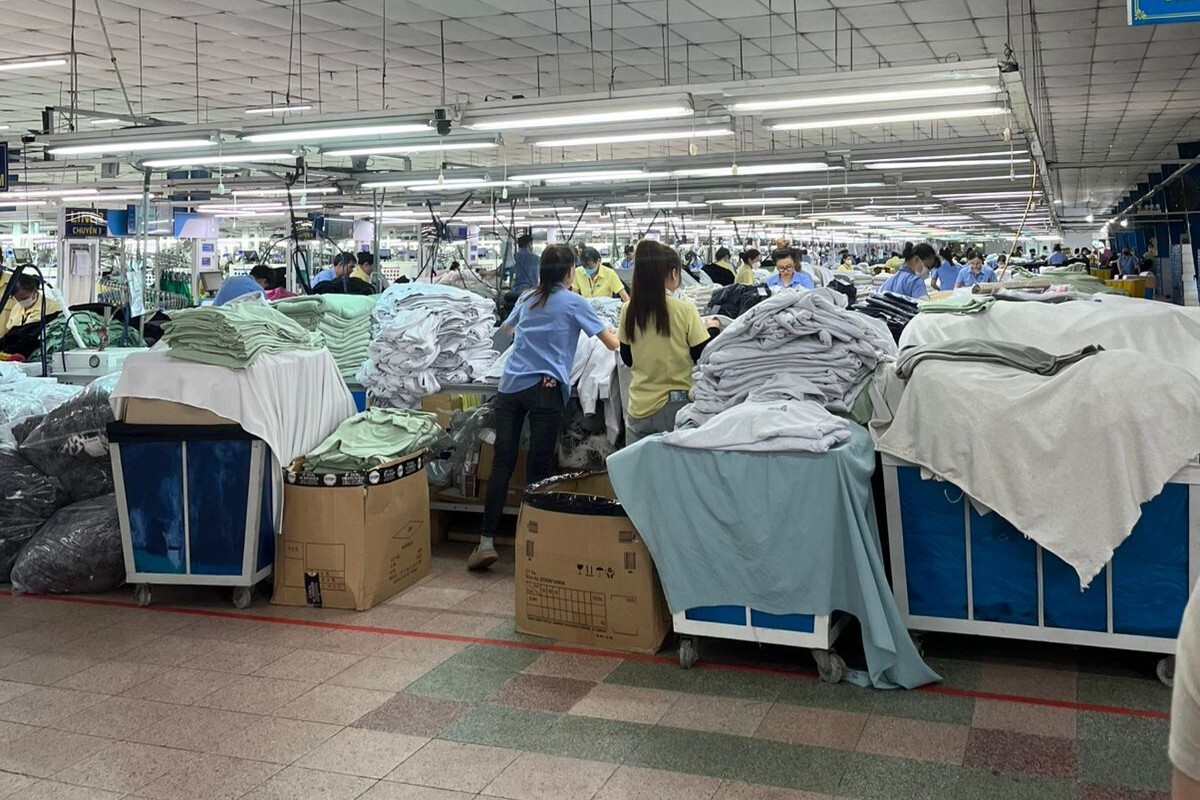
Factories in China, Vietnam, India, and Indonesia run on energy. Electricity for machines, fuel for logistics, diesel for generators during outages. When energy costs spike hard and fast, the math on every open production order changes.
The factory signed your contract at a margin that made sense in January. It doesn't make sense in March.
They have three options:
Option 1: Absorb the cost. Most mid-size factories can't. Margins in Asian manufacturing are already thin. A 15-20% energy cost increase on a tight-margin order can eliminate profit entirely.
Option 2: Renegotiate with you. Some will. Expect price increase requests, surcharge conversations, and renegotiation pressure on open orders. This is the honest version.
Option 3: Find the margin somewhere else. This is the version you don't get told about.
Where They Find the Margin
When a factory can't absorb cost and won't tell you about it, they adjust. Here's where it typically happens:
Material substitution. The approved steel grade gets swapped for a cheaper one. The specified battery cell gets replaced with an "equivalent." The approved resin becomes a lower-grade variant. It looks the same. It costs less. You find out when returns spike.
Sub-supplier changes. The component supplier your factory was using gets replaced by someone cheaper, faster, closer. No disclosure. The BOM on paper stays the same. The actual supply chain doesn't.
Process shortcuts. Steps that add cost — additional QC passes, curing time, treatment processes — get compressed or skipped. Not eliminated on paper. Just not done.
Subcontracting without disclosure. Volume that should be running on your factory's floor gets pushed to a cheaper workshop down the road. Your product gets made somewhere you've never visited, by workers you've never verified, with no audit trail.
None of this gets announced. It happens quietly, order by order, as factories manage their floor against a cost structure that shifted underneath them.
The Compliance Dimension
Here's where this gets serious for U.S. importers specifically.
Material substitutions and undisclosed subcontracting don't just create quality problems. They create compliance problems.
Your product certification — CE, UL, CPSC, whatever applies to your category — was issued against a specific configuration. When components change, that certification no longer reflects what's in the box.
Your country of origin declaration was based on a specific production flow. When production moves to an undisclosed subcontractor, that flow changes. If CBP pulls your entry and the physical production trail doesn't match your declaration, you have a problem that didn't exist three months ago.
Your UFLPA due diligence was built around your known supply chain. An undisclosed sub-supplier sitting two tiers deep in a cost-cutting move could introduce exposure you can't see and didn't cause — but will still own.
The Hormuz closure started as a geopolitical event. By the time it reaches your customs entry at Long Beach, it's a documentation gap.
What's Different This Time
Supply chain disruptions aren't new. COVID, Red Sea, port strikes — your factories have been through external shocks before.
What's different about an energy cost shock is the speed and the invisibility.
A port closure is visible. You know your container is delayed. You can plan around it.
An energy cost spike hits factory economics quietly. The production keeps running. The shipments keep moving. Everything looks normal from the outside. The cuts happen inside the production flow, below the visibility line of a standard inspection or a monthly video call with your sales contact.
By the time the problem surfaces — a return rate spike, a CBP flag, a compliance failure — it's three orders deep. The factory will say the specification was met. Technically, it might be hard to prove otherwise.
What to Do This Week
If you have open production orders in China, Vietnam, India, or Indonesia right now, three things are worth doing immediately:
Talk to your factory directly — not through email. Ask them straight: has your energy cost changed in the last 30 days? How is it affecting this order? A factory that's being squeezed and is honest about it is a factory you can work with. One that says nothing and adjusts quietly is the risk.
Trigger a mid-production material check. If your order is currently in production, now is the time to verify that key materials and components match your approved BOM. Not at final inspection — now. Substitution happens early. Catching it late is expensive.
Review your payment exposure. How much have you paid, and against what verified output? If you're carrying a large payment against unverified production, you're carrying the cost of whatever adjustments the factory has already made.
This isn't panic management. It's operational discipline — exactly the kind that macro disruptions make necessary.
The Bigger Picture
The Hormuz closure will resolve. Eventually. But the conditions it creates — energy cost pressure, margin compression, quiet factory-floor adjustments — don't disappear when the strait reopens.
Factories that found cheaper component suppliers during the squeeze don't automatically switch back. Subcontractors that got activated don't automatically get deactivated. Process shortcuts that became habits don't reverse themselves.
What happens in the next 60 days in Asian factories will show up in your supply chain for the next 12 months.
The brands that manage through it are the ones with eyes on the floor right now.
FAQ
Q: How directly does the Hormuz closure affect manufacturing costs in China and Vietnam? More than most buyers realize. Both countries are significant energy importers. China imports roughly 75% of its oil, much of it from Gulf producers. Vietnam, India, and Indonesia are similarly exposed. Energy cost increases flow through to electricity pricing, logistics costs, and raw material prices — all of which affect factory margins on open orders.
Q: Should I expect my factory to ask for a price increase? Possibly. A direct price increase request is actually the transparent version of this problem. The more concerning scenario is a factory that doesn't ask — and adjusts their cost structure in ways you can't see. If your factory hasn't mentioned energy costs at all, that's worth a direct conversation.
Q: How do I verify mid-production that materials haven't been substituted? You need someone on the ground at the factory who can physically check incoming materials against your approved BOM and conduct spot testing where relevant. For metal components, XRF testing confirms composition in minutes. For electronic components, supplier documentation and batch records should be verified against your approved vendor list. Remote monitoring isn't sufficient for this — it requires on-site presence.
Q: Is this a reason to delay or cancel open orders? Not automatically. It's a reason to verify. Most factories will manage through this without affecting your production if you're paying attention and have structural controls in place. The risk is highest for buyers who are managing remotely, have weak contracts, and haven't been on-site recently.