
How Trump’s Trade Policy Is Turning CBP Into Supply Chain Police
March 2026
Asia Agent
Tariffs used to be simple.
Governments raised duties.
Importers paid them.
Trade flows adjusted.
Today the system works differently.
Tariffs are no longer enforced only through price increases.
They are enforced through documentation and investigation.
And the agency doing that work is U.S. Customs and Border Protection (CBP).
For importers sourcing from Asia, this changes everything.
The Shift From Tariffs to Enforcement
The original tariff strategy focused on raising duties on imports from China.
That approach worked for a while.
But supply chains adapted quickly.
Factories moved.
Assembly shifted.
Products that used to be labeled Made in China suddenly became Made in Vietnam, Malaysia, or Thailand.
In many cases, the supply chain itself did not move.
Chinese components still powered production.
Chinese factories often owned the new facilities.
Chinese machinery still ran the production lines.
So regulators began shifting their approach.
Instead of only raising tariffs, they started investigating how supply chains actually work.
CBP Is Now the Front Line
Today, CBP plays a central role in enforcing U.S. trade policy.
The agency has several tools to challenge imports.
These include:
CF-28 Requests for Information
CF-29 Notices of Action
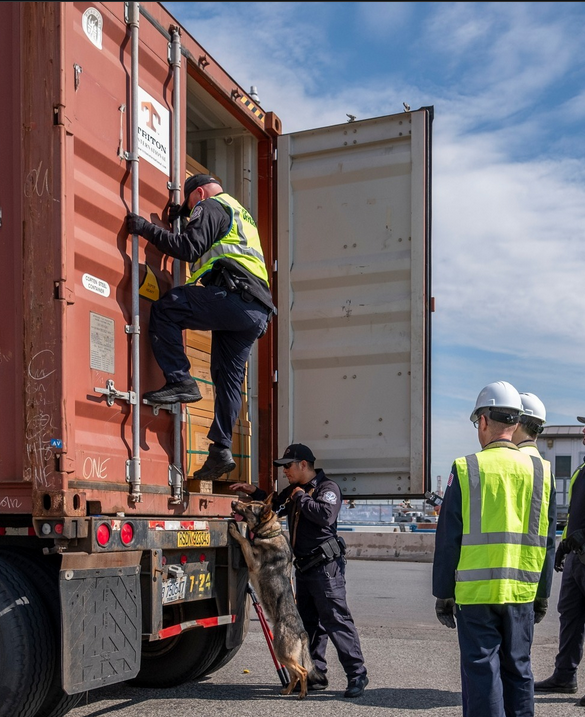
Shipment detentions
Forced labor enforcement under UFLPA
Tariff circumvention investigations
Each of these tools allows CBP to ask a simple question:
Can the importer prove the supply chain behind the product?
What CBP Actually Looks For
When CBP reviews a shipment, the focus often goes beyond the invoice.
Investigations frequently involve requests for documentation such as:
Factory verification.
Bill of materials.
Supplier declarations.
Production capacity verification.
Invoice and bank wire reconciliation.
Evidence supporting country-of-origin claims.
If the documents do not match the actual production process, the shipment may be detained.
Many importers only discover these gaps when CBP requests documentation.
At that point, the response deadline has already started.
Where Importers Run Into Trouble
Most companies assume their customs broker manages compliance.
But brokers only file entries using the information provided to them.
They do not verify factories.
They do not inspect production.
They do not confirm where components originate.
When CBP asks questions about the supply chain, the importer must provide the answers.
If those answers cannot be documented quickly, the situation escalates.
What begins as a simple request for information can become:
shipment detention
retroactive duties
penalties
long-term scrutiny
Where Enforcement Shows Up in Your Operations
At the factory:
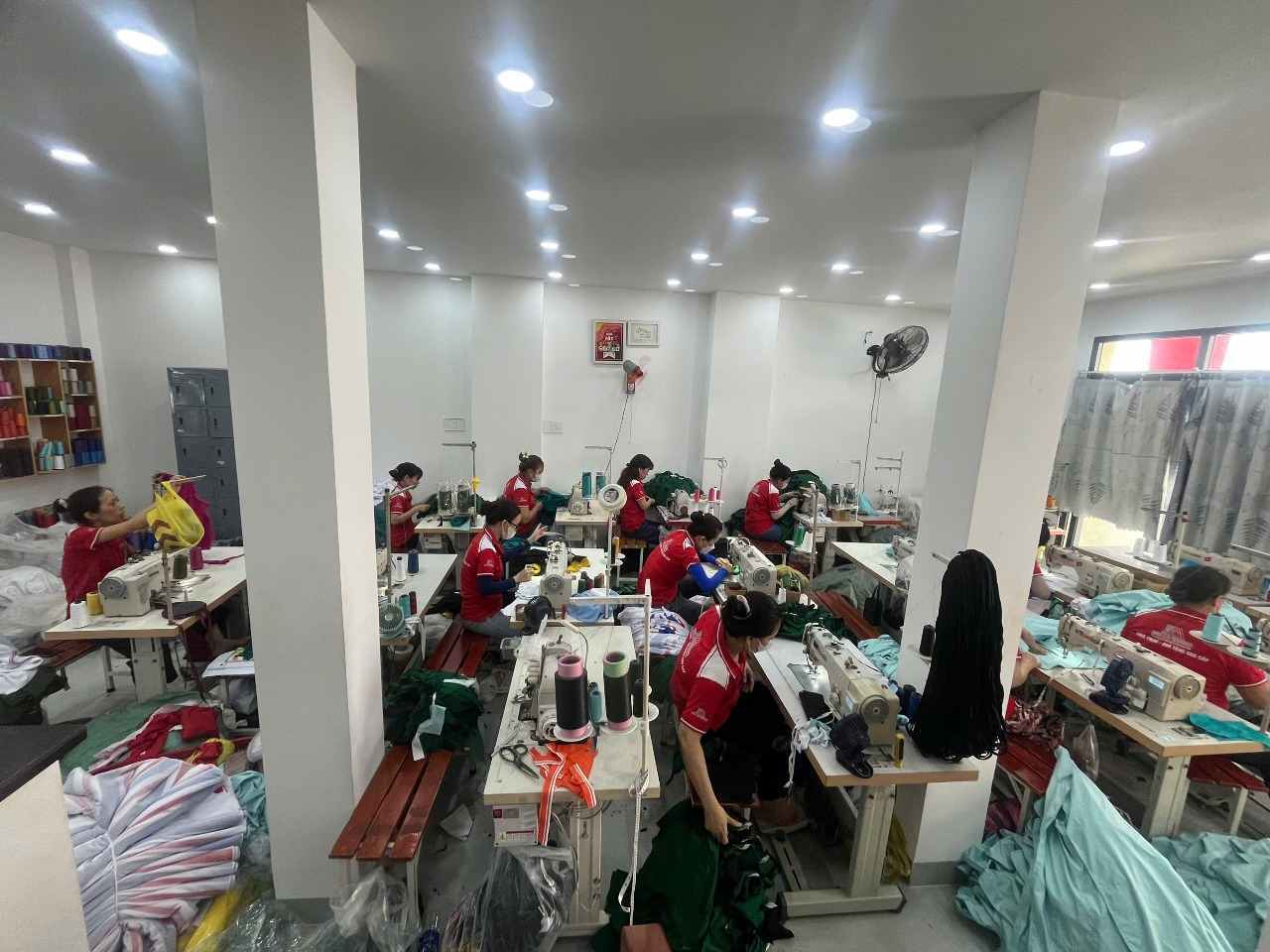
Suppliers may not have documentation proving production flow or input sourcing.
At the forwarder:
Shipping records may not match supplier declarations or payment history.
At customs entry:
Declared origin or valuation may not match the real supply chain.
At the warehouse:
Delayed shipments disrupt inventory planning and increase logistics costs.
The enforcement risk travels through the entire supply chain.
What Importers Should Do Now
The new trade environment rewards companies that understand their supply chains deeply.
That means moving beyond basic purchase orders and invoices.
Importers should focus on:
Verifying factories on the ground.
Mapping the bill of materials and supplier structure.
Documenting production processes and substantial transformation.
Reconciling invoices with payment records.
Maintaining compliance files before shipments leave the factory.
Companies that prepare these files early respond to CBP quickly.
Companies that do not often discover the gaps when the container is already at the port.
The Bottom Line
Trade policy has entered a new phase.
Tariffs are no longer enforced only through duty rates.
They are enforced through supply chain transparency.
CBP is now effectively acting as a supply chain investigator.
Importers who can document their production networks will navigate this environment successfully.
Those who cannot may find themselves answering difficult questions while their shipments sit at the port.
FAQ
Q: What is a CF-28 request?
A CF-28 is a Request for Information issued by CBP asking the importer to provide documentation supporting classification, origin, valuation, or other entry data.
Q: What is a CF-29 notice of action?
A CF-29 informs the importer that CBP intends to take action on an entry, often related to duties, classification, or origin adjustments.
Q: Can shipments be detained during investigations?
Yes. CBP may detain shipments while reviewing documentation or conducting enforcement investigations.
Q: What is the best way to prepare for CBP scrutiny?
Importers should verify suppliers, document production processes, and maintain compliance files before shipments are exported.